News
Stay up to date on changes in policy, shifts in the future of work and the latest updates in how schools are leveraging AI tools.

Filter by Topic
- All Resource Topics
- Equity
- Future of Work
- Communication
- Security & Threat Detection
- Teacher Support
- Curriculum
- Professional Development
- Coaching
- AI in Education
- Policy
- ELL Support
- Interventions & Special Education
- Assessment
- Administration
- Data Analytics
- HR & Talent Management
- Cybersecurity & Data Privacy
- Tutoring & Personalized Learning
- AI in General
- Higher Education
Filter by Type

Education Week
January 14, 2026
Explores the implications for schools of minimal federal regulation governing artificial intelligence, and the ongoing debate in congress.


eSchool News
January 13, 2026
Explores how generative AI tools can be intentionally used to support empathy and human connection in education.

Education Week
January 13, 2026
A principal shares practical leadership uses of AI and clear boundaries for its use.

Education Week
January 9, 2026
A short video discussing the cooling of AI hype in education and highlights practical trends and challenges leaders should watch in 2026.


K-12 Dive
January 5, 2026
Summarizes survey findings showing 30% of preschool teachers have used AI, and a larger percentage are reporting the need for more professional development and support.

The New York Times
January 2, 2026
Governments worldwide are rolling out generative-AI chatbots in schools, while skeptics, including UNICEF, warn of potential harms to learning and child well-being. The article highlights the relatively disciplined approaches taking place in Estonia and Iceland.


EdTech Magazine
December 23, 2025
EdTech Magazine looks at AI-powered translation tools—from dual-screen meeting devices to multilingual classroom supports—showing how districts use them to communicate with families and students in hundreds of languages while weighing accuracy and human oversight.

Christensen Institute
December 23, 2025
Predicts that widespread AI access could empower individuals with unprecedented entrepreneurial capabilities.

NBC News
December 22, 2025
At a hands-on training in New York City, teachers experiment with chatbots for planning and support while grappling with accuracy, ethics and classroom norms as student use of generative AI surges.
AASA
December 19, 2025
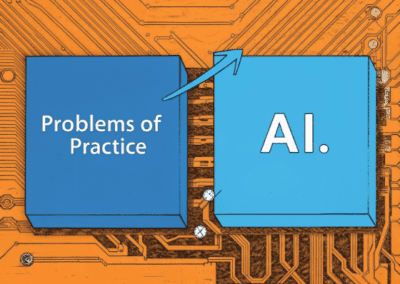
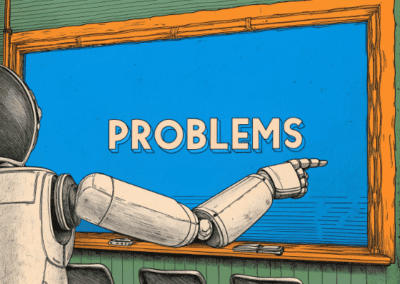
A superintendent argues that as districts consider AI adoption, they should start with clearly defined problems of practice—rather than shiny tools—then align AI pilots with values, ethics and capacity-building so AI augments leadership and teaching while minimizing risks.
Getting Smart
December 19, 2025
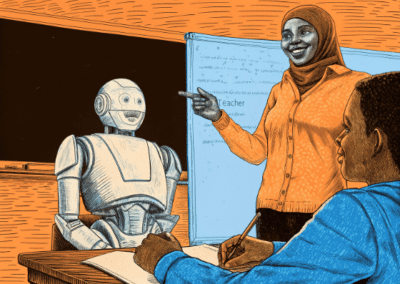
A call to shift assessment from post-hoc judgment to real-time support. The authors argue AI can enable diagnostic, feedback-rich, equity-minded assessment integrated with teaching and learning.
Education Week
December 18, 2025
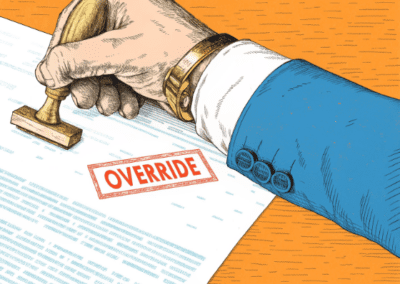
Education Week summarizes reactions to a Trump executive order that seeks to curb state-level AI regulation, spotlighting concerns about weakened oversight, privacy and safety, and how federal pressure could reshape school and edtech compliance expectations.

K-12 Dive
December 17, 2025
One of the most common challenges of AI in education today is training instructional staff at a pace and scale that keeps up with adoption. Fulton County Schools has met the need through the creation of a train-the-trainer model that scale AI professional development across every school despite a paucity of dedicated instructional technology staff.

NPR
December 16, 2025
An NPR report shows how unreliable AI-detection tools can falsely accuse students, strain trust and trigger grade disputes, even as many teachers and districts buy or use detectors despite research warning the tools aren’t fit for purpose.


Education Week
December 15, 2025
An EdWeek blog post collecting educators’ suggestions for student AI guidelines. It emphasizes listening to students, defining acceptable support, and emphasizing its use to deepen learning.

The Atlantic
December 13, 2025
An essay on how people increasingly hand off judgment, planning, and writing to generative AI. Educators have been raising the alarm on what can be lost by excess AI reliance in learning. This piece steps back to ask what is threatened as we increasingly integrate AI into our lives beyond school. It examines convenience, skill atrophy, and the social risks of treating AI outputs as authoritative substitutes for human thinking.
Educators Technology
December 13, 2025
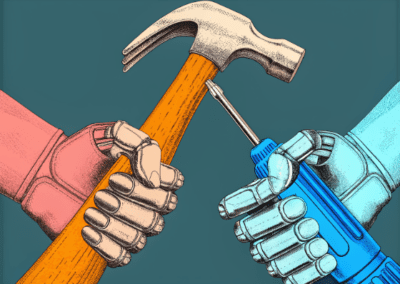
A blog post listing AI tools teachers can use in 2025, from chatbots to differentiation and lesson-planning apps. It briefly explains classroom use cases and why each tool may save time, boost creativity, and support instructional routines.

Education Week
December 12, 2025
A firsthand argument that AI translation and scaffolding can accelerate English learner progress. The author, the president and CEO of Digital Promise, urges leaders to treat AI as a support resource, while investing in training, safeguards, and equitable access so tools complement strong instruction.
Edutopia
December 10, 2025
A classroom-focused argument that AI exposes a deeper issue: students chase grades, not learning. It recommends practical routines—learning memos, mastery checks, reflection, and conversations—to re-center understanding and reduce incentive to outsource work.
K-12 Dive
December 10, 2025
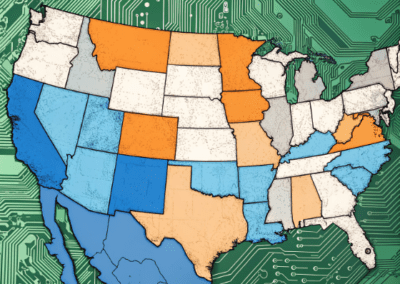
A summary of new Code.org and CSforALL research showing that few states connect AI to computer science. The piece argues for broadening CS instruction and formally integrating AI topics into CS standards.